
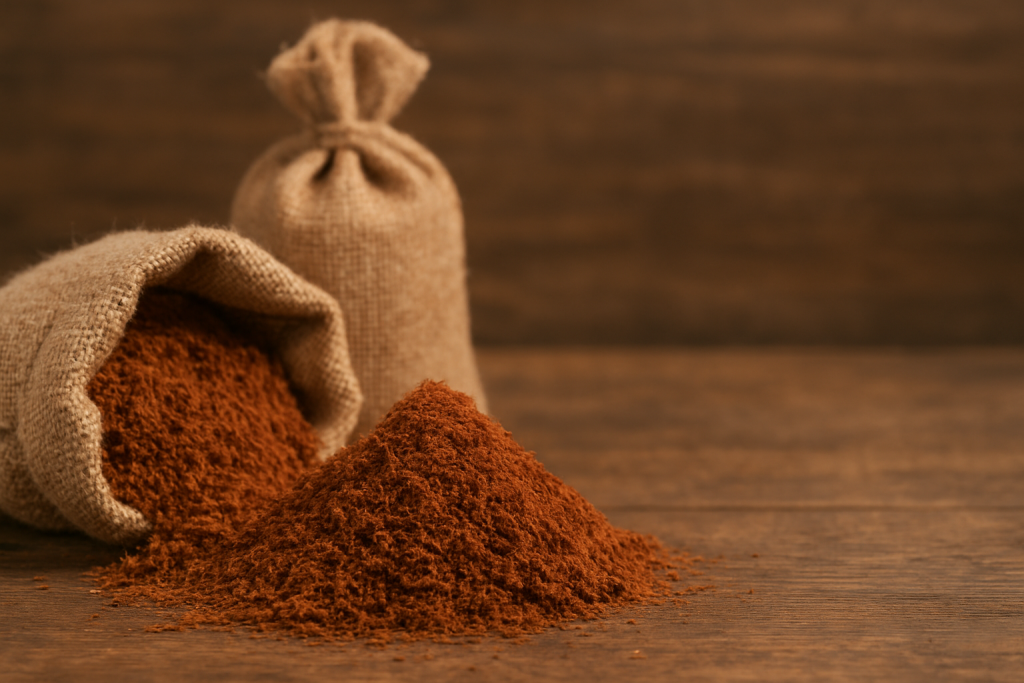
Cocopeat, also known as coir pith or coir dust, is a natural byproduct of coconut husk processing. Once considered waste, it is now one of the most in-demand materials in the horticultural and agricultural industries due to its exceptional properties as a growing medium.
Cocopeat has the ability to retain water up to eight times its weight, making it an ideal soil substitute for plants in both tropical and arid environments. It provides excellent aeration, promotes healthy root growth, and helps regulate soil moisture, all while being completely biodegradable and chemical-free.
In addition, cocopeat contributes significantly to sustainable farming. Unlike traditional soil that can degrade over time, cocopeat can be reused for several planting cycles with proper care. It is available in two main types:
- High EC Cocopeat, which is suitable for industrial and non-food applications.
- Low EC Cocopeat, ideal for horticultural and greenhouse use, especially for growing vegetables, flowers, and fruits.
Countries like Japan, Korea, the Netherlands, and Australia are among the biggest importers of Indonesian cocopeat. Its combination of affordability, performance, and environmental friendliness makes it a cornerstone of modern, sustainable agriculture.